
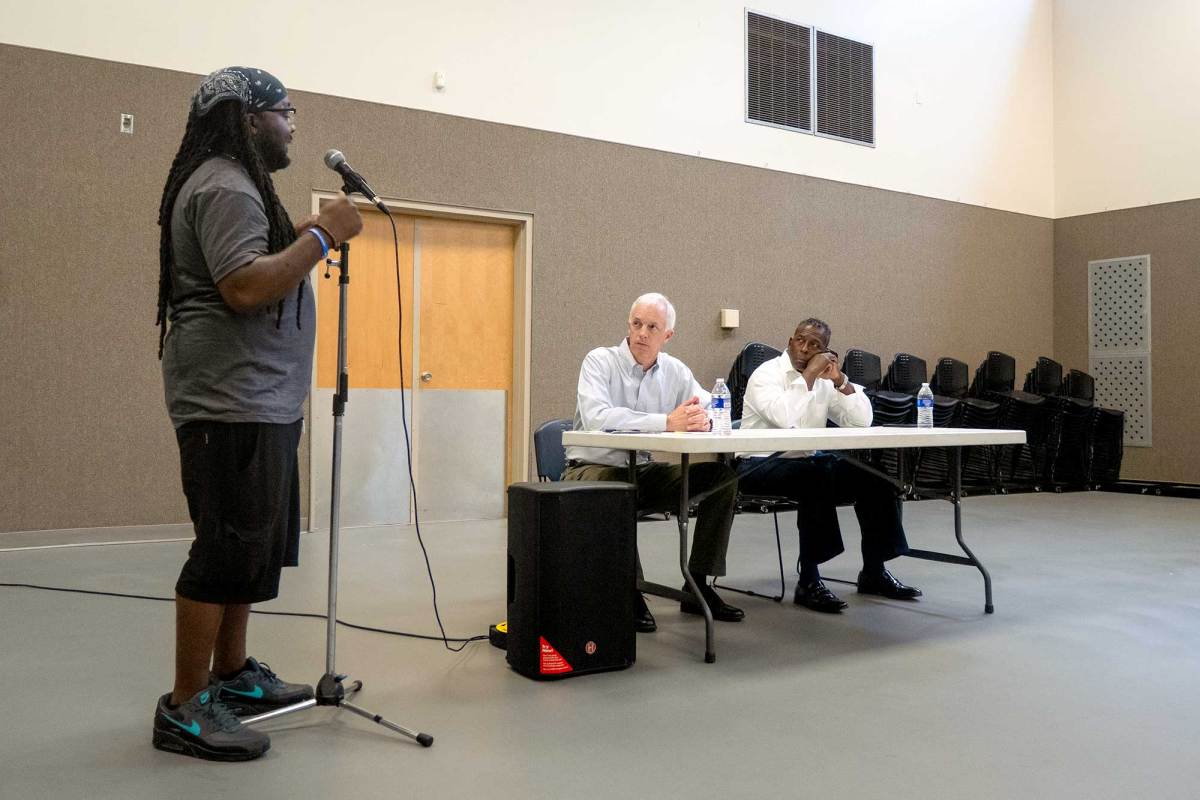
JACKSON, Miss.—Mississippi House Rep. Christopher Bell, D-Jackson, told town hall participants last week that no matter what happens in Mississippi’s inevitable redistricting fight, the important thing is to continue to participate.
“A lot of districts will be redrawn,” Bell told the audience on May 18. “We may lose some of them, we may not, but we have an opportunity to come out and vote, and that’s the biggest thing that’s going on as well. Regardless of who you believe in, we all believe that we should serve the right side of human decency, the right side of being able to represent the people that (we) do represent.”
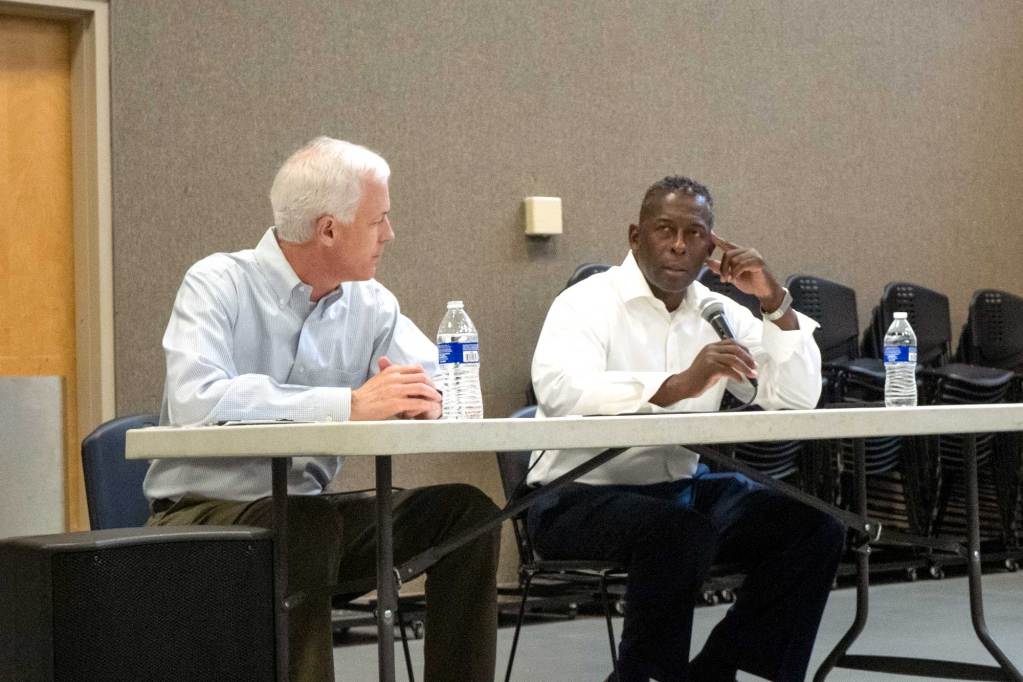
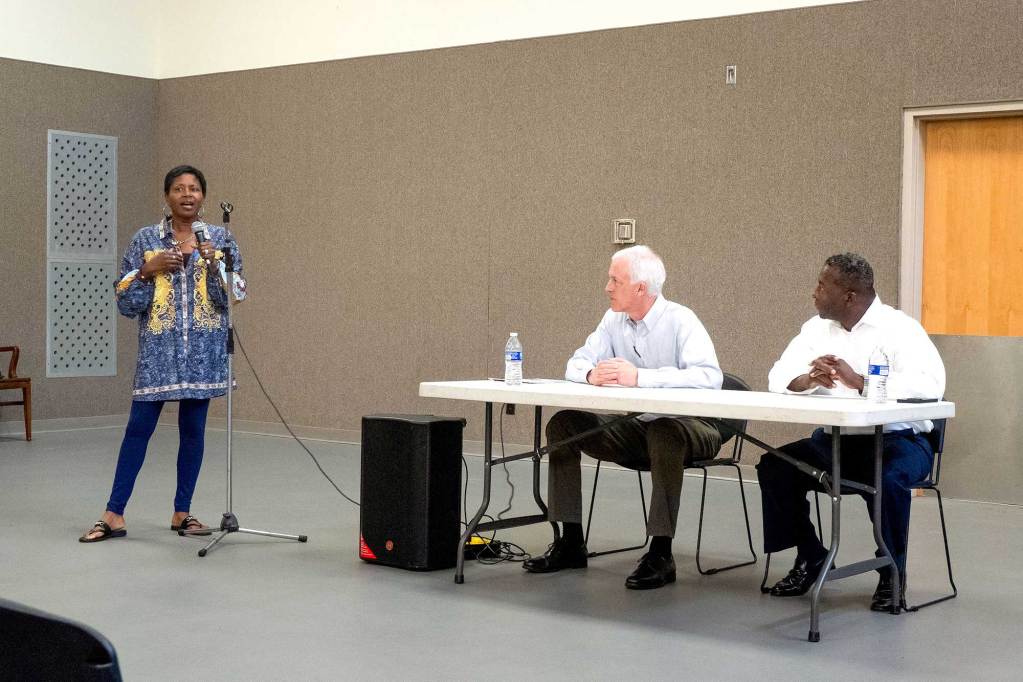
Bell and Sen. David Blount, D-Jackson, hosted two town hall events last week to review legislative changes from throughout the year, connect with their constituents in Jackson and address community members’ concerns.
The first event was hosted by the Briarwood Arts Center on May 18 at Briarwood Presbyterian Church, a neighbor to the arts center. The second town hall event, held on Tuesday, took place at Saint James Episcopal Church.
“The first thing that I would say is politicians want you to have a short memory,” Blount said. “They don’t want you to remember this, things that they did last year, before that, before that, that really are affecting the situation that we’re in right now.”
Redistricting Concerns
Although Mississippi Gov. Tate Reeves cancelled a special legislative session planned to redraw Mississippi’s state Supreme Court districts this month, he is urging legislators to redraw Mississippi’s legislative, state supreme court and congressional districts before the November 2027 elections.
Reeves’ original plans for a special legislative session came in preparation for the U.S. Supreme Court announcement of its decision in Louisiana v. Callais, a case challenging Louisiana’s creation of a new majority-Black district. The court ruled 6-3 that the state relied too heavily on race when it created the district, a decision that further weakened Section 2 of the Voting Rights Act..
“Democrats have 25% of representation (in Mississippi), but they want that to be 0%,” Blount said. About one-third of Mississippians are registered Democrats.
Both Blount and Bell expect Mississippi’s legislature to follow through on Reeves’ request to have redistricting done before the 2027 elections.
“When this happens, they’re not going to have to have public hearings; It’s not going to happen with public input…,” Blount said. “It’s going to happen late one night and we’ll vote out the next morning. That’s going to be the way it is.”
The 5th U.S. Circuit Court of Appeals cancelled a 2025 order requiring Mississippi to redraw its 1987 state Supreme Court map to give more voting power to Black Mississippians, originally issued in Dyamone White et al v. the State Board of Election Commissioners, in response to the Supreme Court’s decision in Louisiana v. Callais.
Following the decision, Mississippi politicians like State Auditor Shad White quickly called for the elimination of the state’s only majority-Black congressional district following the U.S. Supreme Court’s decision. Reeves also singled out U.S. Rep. Bennie Thompson, writing on social media that the longtime congressman’s “reign of terror” would soon end. About 64% of Thompson’s constituents are Black.
More than 2,000 Mississippians protested this potential redistricting at the Mississippi Capitol on May 21, joined by advocates and politicians from nearby states facing similar problems, like Tennessee State Representative Justin Jones.
Potentially Competitive Districts
Although they aren’t in favor of redistricting, Bell and Blount predict the changes will make Mississippi’s elections more competitive than they have been in decades.
“Right now is an opportunity for having at least two, and maybe three, possibly competitive (congressional) races… and that’s beautiful,” Bell said.

Bell and Blount noted that, with the way Mississippi’s districts are drawn, political candidates rarely have to consider compromising with the other side of the aisle.
“You have almost no competitive general elections (in Mississippi)…,” Blount said. “There used to be competitive general elections, and that was because of the way districts were drawn back then. That could happen.”
“If they want to eliminate the majority-Black congressional district so they can elect four Republican Congress members, you’re going to have the other three people who are in non-competitive districts (that) could potentially be competitive districts,” Blount said.
‘Primarying’ as Retaliation
One community member asked Blount and Bell how Republican politicians can fight ‘being primaried’, a term used to describe when an incumbent politician is challenged by a member of their own party for the party’s nomination in an election.
U.S. Rep. Thomas Massie of Kentucky, a Republican, was one of several national politicians who were ‘primaried’ this year, losing his primary to his Trump-endorsed opponent Ed Gallrein last week.
He is one of at least seven congressmen to lose their race after dissenting from Trump and the Republican Party on a handful of issues, namely the release of the Epstein files. U.S. Sen. Bill Cassidy of Louisiana and Sen. John Cornyn of Texas also lost their respective primary elections.
“You don’t (avoid being ‘primaried’),” Bell said. “You do your work, (the work) you were elected to do in the first place.”
Despite the current trend of Republican incumbents facing primary challenges for perceived disobedience toward President Donald Trump, primary challenges are not uncommon. U.S. Rep. Bennie Thompson easily fended off a primary challenge earlier this year with 86% of the vote.
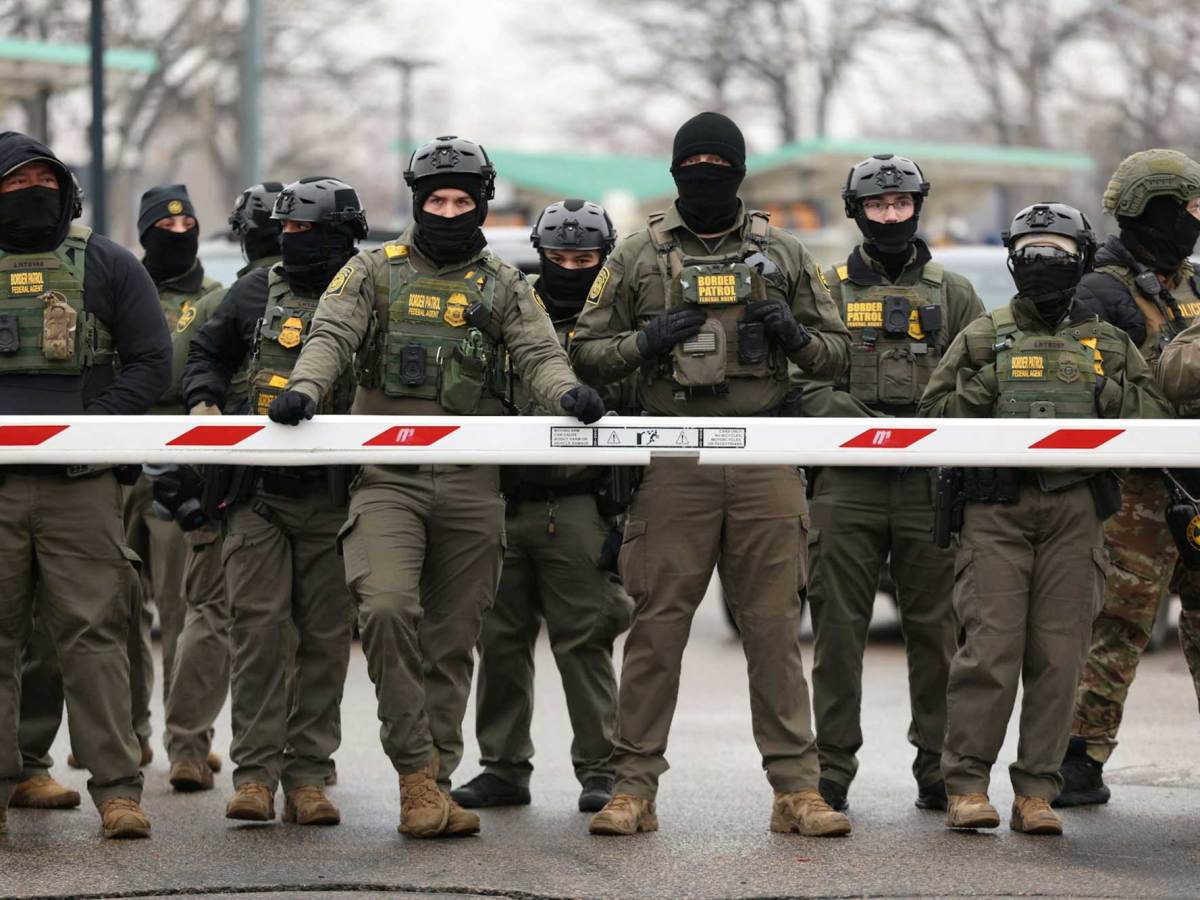
Bell and Blount were asked by an audience member about the potential presence of ICE agents at voting booths this year.
Reeves signed a law this year requiring law enforcement agencies to cooperate with immigration officials. Though House Bill 538 goes into effect on July 1, Bell is hopeful that laws against voter intimidation will prevent immigration agents from showing up at poll locations.
“We have federal limitations against (voter intimidation), so that is where we have to… show up and show up against those individuals who came to do voter intimidation,” Bell said.
Election officials in some states, like California, are not confident that federal agents will respect laws against voter intimidation, especially after Deputy Attorney General Todd Blanche expressed support for I.C.E. presence at polling locations during a speech last month.
Looking Ahead
Both Blount and Bell will run for re-election in 2027.
Bell first won his seat representing Mississippi House District 65 in 2016, beating out fellow Democrats James Covington, who dropped out of the primary race against Bell, and Arqullus Coleman. Bell won re-election without opposition in 2019 and 2023.
Blount represents Mississippi Senate District 29 and is vice chairman of the Mississippi Senate Democratic Caucus. He took office in 2008 after defeating Republican Richard White, who now serves as Byram’s mayor, in the general election.
Residents can see which Mississippi House District and Mississippi Senate District they live in on the state legislature website. Districts were redrawn in 2022.
Follow the Mississippi Free Press’ coverage of Mississippi’s legislature and read past stories here.