


GREENE COUNTY, Miss.—For leaders in McLain, access to grants, public safety visibility and basic infrastructure improvements are central concerns as state lawmakers prepare for the 2026 legislative session.
This story is part of a Roy Howard Community Journalism Center reporting project examining what mayors and county supervisors across southeast Mississippi want from state lawmakers during the 2026 legislative session. The project includes county-by-county reporting and an interactive overview highlighting shared priorities, regional differences and policy challenges facing local governments.
Readers can explore the full project, including an interactive overview and reporting from all ten counties, here.
In Greene County, those priorities are shaped by the realities of governing a small town with limited revenue and heavy reliance on state and federal funding, according to local officials.
Grant Funding and Budget Uncertainty
McLain Mayor Steve McCluskey said the town’s ability to complete major projects depends largely on Community Development Block Grants and U.S. Department of Agriculture loans.
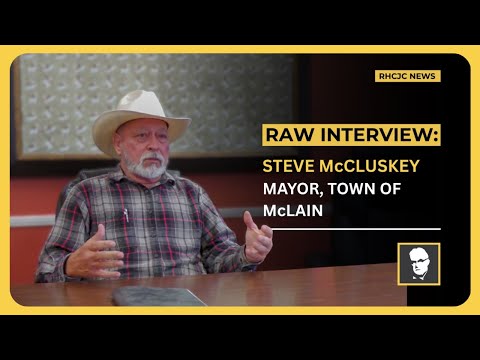
Those funding sources, he said, allow small towns to tackle infrastructure needs they could not otherwise afford.
“CDBG grants allow the city to upgrade sewer systems and different projects,” he said.
McCluskey said recent delays in state-level funding have made long-term planning more difficult. With lawmakers placing some funding allocations on hold following income tax cuts, he described the current situation as a “dark time with the budget.”
Public Safety and Visibility
Public safety remains a major focus for McLain, McCluskey said. He emphasized that the town’s approach prioritizes compassion toward vulnerable residents,
McCluskey said the city still had its problems, particularly mentioning the drug activity and the population of people experiencing homelessness in the city. McCluskey stated that if McLain were to have the funding to provide resources and aid, then he would be open to the opportunity.
“We’re not trying to get rich… but we would like to have enough money to take care of our people,” he said.
To improve stability and encourage economic growth, the town hopes to relocate its town hall, police and fire departments to Highway 98. McCluskey said the move would increase visibility for first responders and make the area more attractive to potential businesses.
“The only way we’re going to get economic growth is by more visibility on the highway,” he said.
Infrastructure, Water Access and Community Needs
Infrastructure challenges continue to shape the town’s planning efforts. McCluskey said McLain is working to acquire land for a public playground, though town-owned property is limited. Officials are also gathering land for future storm shelters.
The city is exploring the possibility of taking over a neighboring water association to connect more residents to city-managed water service. McCluskey said that step would help ensure access to safe, testable drinking water and could include annexing property tied into the system if needed.
McCluskey also praised the Mississippi Department of Transportation for installing floodgates that now protect McLain from the kind of flooding the town faced in the past.
Small-town Priorities and Quality of Life
With an official population between 500 and 600, McCluskey said small towns must be run like businesses, balancing services and growth without overtaxing residents.
He credited local pastors and churches as the “backbone of the community” and said creating more opportunities for young people is critical to McLain’s future.
This story reflects responses from local leaders who were available to participate during the reporting period. Readers who would like to hear from city or county leaders not included here are encouraged to contact RHCJC News, and additional outreach will be made when possible.
This article is one of ten county-level stories in the Roy Howard Community Journalism Center’s project examining local leaders’ priorities for the 2026 legislative session. The full interactive project is available here.

This article first appeared on RHCJC and is republished here under a Creative Commons Attribution 4.0 International License.