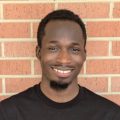
This past September, I celebrated my 25th birthday. Reaching this age was a significant milestone for me, not only because it marked my entrance into a new stage of adulthood but also because, by turning 25 and remaining HIV-negative, I knew I was defying the statistics stacked against me.
In 2016, the Centers for Disease Control and Prevention reported some alarming statistics. If the then-current HIV diagnosis rates continued, about half of all Gay Black men and a quarter of Gay Latino men in the United States would be infected with HIV in their lifetime.
The data also revealed that infections were particularly high among young people between the ages of 13 and 24 and among Gay men in the South. In several cities across the southern region of the U.S., three out of every 10 gay or bisexual men had been diagnosed with the AIDS virus, which was three times the national average. As a Mississippi native, these were not just numbers; they represented my fears as I contemplated my future. With my high-school graduation approaching in 2018, I was overwhelmed with worry.
Although I never had a formal conversation about sex with my mother and no conversations about sex during my time in school, I was fortunate enough to be informed about a pill called Pre-Exposure Prophylaxis, or PrEP, through advocating for comprehensive sexual education in schools. PrEP, if taken daily, decreases the chances of getting HIV from sex by up to 99%. With this knowledge, I asked my then-primary-care doctor if she would prescribe the medication to me before I left for college. In response, she said that I had no need to get on PrEP and that I should refrain from having sex.

Discouraged and unequipped to explore other options, I accepted her advice, and my anxiety and hesitancy about having sex continued to grow. Only after experiencing the uncertainty and fear brought about by the COVID-19 pandemic did I truly understand the value of life and the importance of not living in fear. This realization was a turning point for me, and I was motivated to explore PrEP as a means to take control of my sexual health. Favor continued to be shown to me because I was luckily in an environment that prioritized increasing knowledge and access to PrEP.
My college years in Louisiana were marked by significant strides in healthcare. The state recently adopted the Affordable Care Act, which is Medicaid expansion, and launched initiatives to combat HIV and promote PrEP awareness and access.
My journey to get on PrEP was remarkably straightforward, a testament to the power of knowledge and resources in enabling individuals to make informed decisions about their sexual health. I started my journey with PrEP in 2021, and I have now been on it for more than three years. This decision has undoubtedly shielded me from the risks faced as a Black Gay man from the South. On this National Black HIV/AIDS Awareness Day, Feb. 7, 2025, I urge more people to educate themselves about PrEP and to take control of their sexual health.
It’s important to recognize that HIV affects not only men who have sex with men (MSM) but also women, with a disproportionately significant effect on the Black community. Although Black individuals make up only 14% of the U.S. population, they account for a much larger percentage of HIV diagnoses (39%), those living with HIV (40%) and deaths among people with HIV (43%) compared to any other racial or ethnic group in the U.S. The rate of new diagnoses among Black women is 10 times higher than that of white women and three times higher than that of Latina women.

While these statistics can be disheartening, I am living proof that these challenges can be overcome through increased awareness and intentional efforts to improve access to resources. Data show that HIV infections among youth aged 13 through 24 have decreased in recent years, thanks in part to improved access to HIV testing and knowledge of PrEP. This progress should give us hope and optimism for the future.
If you live in Jackson, Miss., and would like to learn more about or are interested in taking PrEP, I recommend contacting the Jackson Hinds Comprehensive HIV Information and Prevention Services program, also known as HIP. HIP offers a comprehensive range of services, including HIV testing, counseling and support for those on PrEP. They can be reached at 601-709-5130.
As we celebrate National Black HIV/AIDS Awareness Day (NBHAAD), let’s continue to share information about PrEP and other emerging methods to promote healthy sexual lives. Your actions—whether sharing this information, advocating for leaders to allocate more resources to HIV prevention, or seeking PrEP—are essential to our fight.
This MFP Voices opinion essay does not necessarily represent the views of the Mississippi Free Press, its staff or board members. To submit an opinion for the MFP Voices section, send up to 1,200 words and sources fact-checking the included information to voices@mississippifreepress.org. We welcome a wide variety of viewpoints.